Begin with the route of water
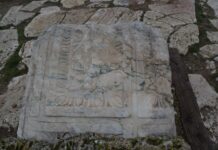
An aqueduct is easiest to understand when you think about the problem it solved. A city needed water, and engineers had to move it across distance and uneven terrain. A walking itinerary focused on Roman water engineering gives that everyday need a visible shape. Look for fragments, foundations and the landscape features that help explain how water could travel.
Plovdiv is a natural starting point for this theme. Begin in the central area and take time to understand the city’s layout before heading toward sites associated with its aqueduct system. The path of an ancient water supply can be difficult to follow through a modern city, so use visitor information and local signs to identify what is accessible.
Look for engineering clues
At each stop, notice the height and direction of the remains. Ask what the builders needed to account for: slope, distance, changes in ground level and the location of a distribution point. Even a fragment can prompt useful questions about how a larger system worked. Give yourself time to observe before moving on to the next location.
Wear comfortable shoes and allow for a mix of pavements and uneven surfaces. Check the weather before setting off, carry water and keep the route flexible. Some remains may be visible only from public areas, while others may form part of a managed site. Respect barriers and avoid climbing on old stonework.
Connect engineering with other landscapes
A city aqueduct tells one kind of story about the land. For a striking natural contrast, explore the Varna Pobiti Kamani Stone Forest Geology Walking Route. Its stone formations offer a different way to think about how landscapes change over time. Keep the two visits on separate days if travel between them would make the schedule too rushed.
A longer Bulgaria itinerary can also include archaeological sites beyond Plovdiv. Tours Bulgaria Beglik Tash is one option to consider when planning a visit around the country’s varied heritage. Confirm travel times and access details before deciding how to connect destinations.
Take the city at walking speed
Look beyond the aqueduct itself. Notice the streets and buildings that now surround the remains, and consider how a historic water system fits into the city’s present-day life. A café break can be part of the route rather than a delay. It gives you time to review what you have seen and decide whether you want to explore more.
If Istanbul is also part of your trip, an Ensar Tour Guide can help you plan the city portion. Keep the Bulgaria itinerary focused on its own landscape and history.
For help shaping a route around your interests or available time, use Contact Us. Include your group size and whether you prefer a short city walk or a longer day with nearby heritage stops.
End with one last look at the city’s water story. You may not see every part of the original system, but connecting the remains with the terrain can make the engineering easier to imagine. A thoughtful route turns a few scattered traces into a clear question: how did people make a city work?